
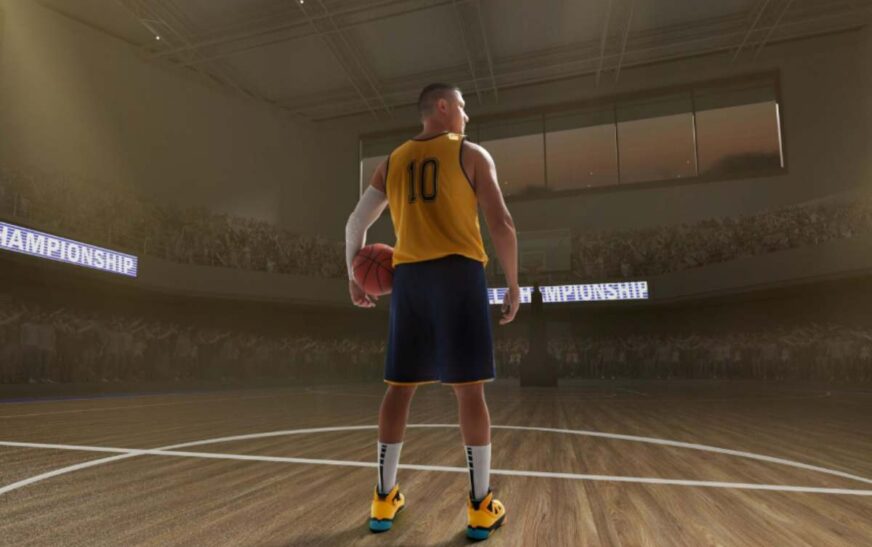
,Point guard in basketball is the conduit that ties together each possession, governs the flow, and unites the team from the backcourt to the hoop. A player, coach and fan reading basketball in Egypt — where passion for the game continues to flourish through school leagues, local clubs and international NBA watching — will develop a deeper understanding of this role (and can enjoy a Spinbetter bonus along the way).
The playmaker is what most people call a point guard because that’s the guy who carries this ball in between, starts the action of the team’s offense, reads the defender, and creates an opportunity for a fellow player. The perfect point guard has a tight dribble and passing game, has more or less the skills, and even good decision-making and defensive instincts for every part of the court.
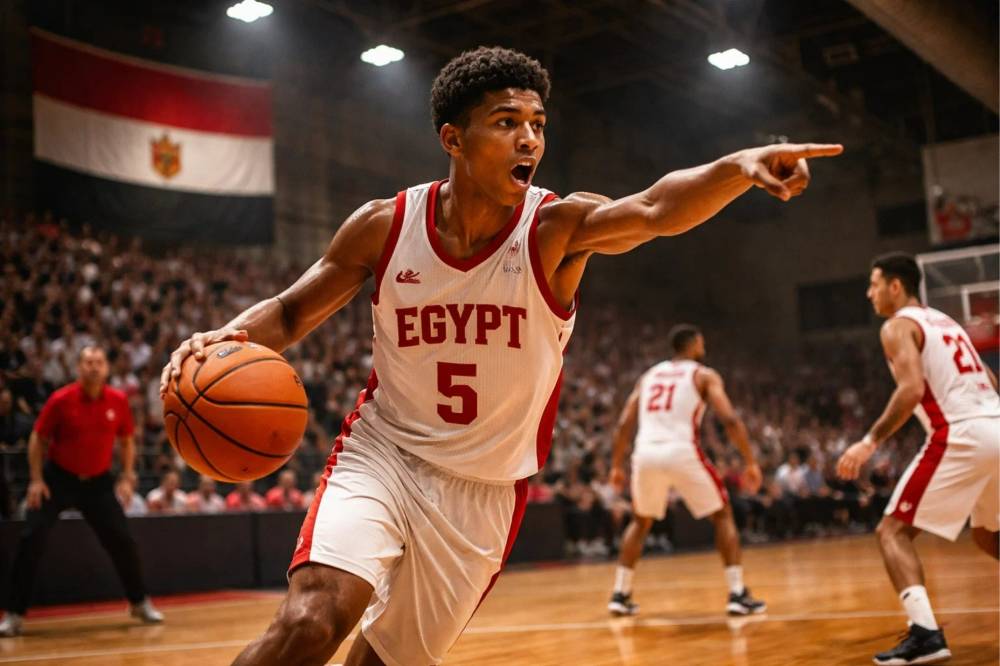
What Is the Position of the Point Guard In Basketball?
At the center of team organization is the point guard position. Every player has a role, but only the point guard can link them up. This player needs to know where everybody is, understand how the game plan is to be won, the way the opposing team’s defense is set before any plays have grown into play. For offense and defense, the guard is the first problem-solver. A point guard has to be able to safely bring the sphere up, move around pressure, and initiate action before the shot clock kicks in.
There is more to a positioning than size or velocity. It is about control. Some point guards are quick, maybe even instantly, the fastest players on the team, and however quickness is not in itself adequate speed. The role of point guard here is one of awareness, communication and confidence, where under pressure she has to hit the ball accurately. We’ve put together this very elementary breakdown for the position:
|
Element |
What it means for the player |
|
Ball handling |
Secure the sphere, beat pressure and protect possession. |
|
Playmaking |
Passing the ball opens up chances for their team. |
|
Leadership |
Keep structure and direct team plays. |
|
Decision-making |
Dribble, shoot, or reset to choose. |
|
Defensive pressure |
Break the point in the opponent’s hand to compel mistakes. |
The point guard understands that a possession can turn calm to chaotic within seconds. Because of this, this job is as much about discipline as it is about flair.
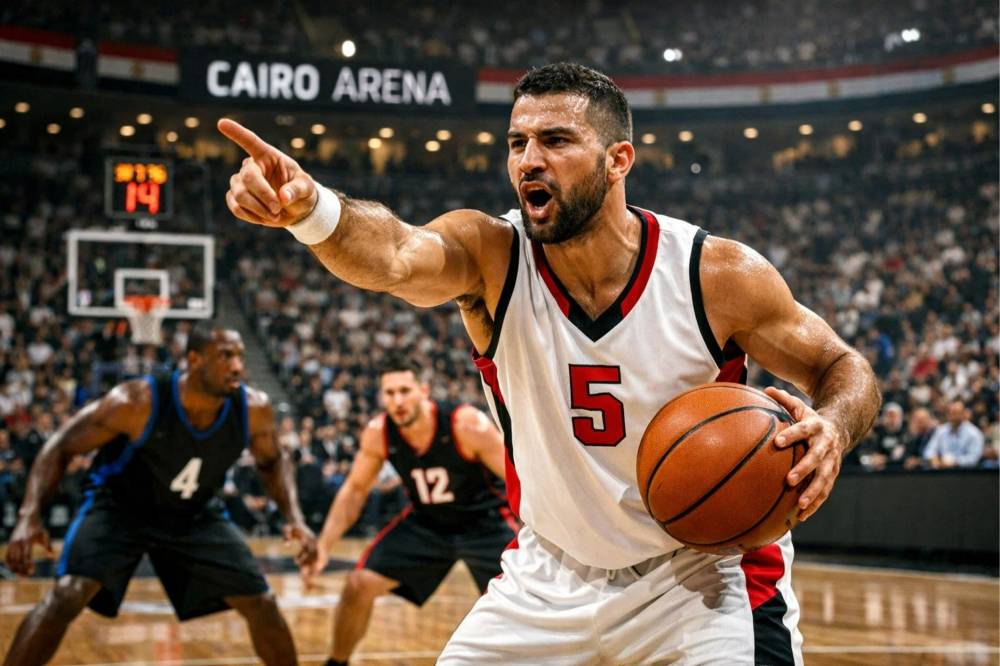
Why The Guard Is Called The Floor General
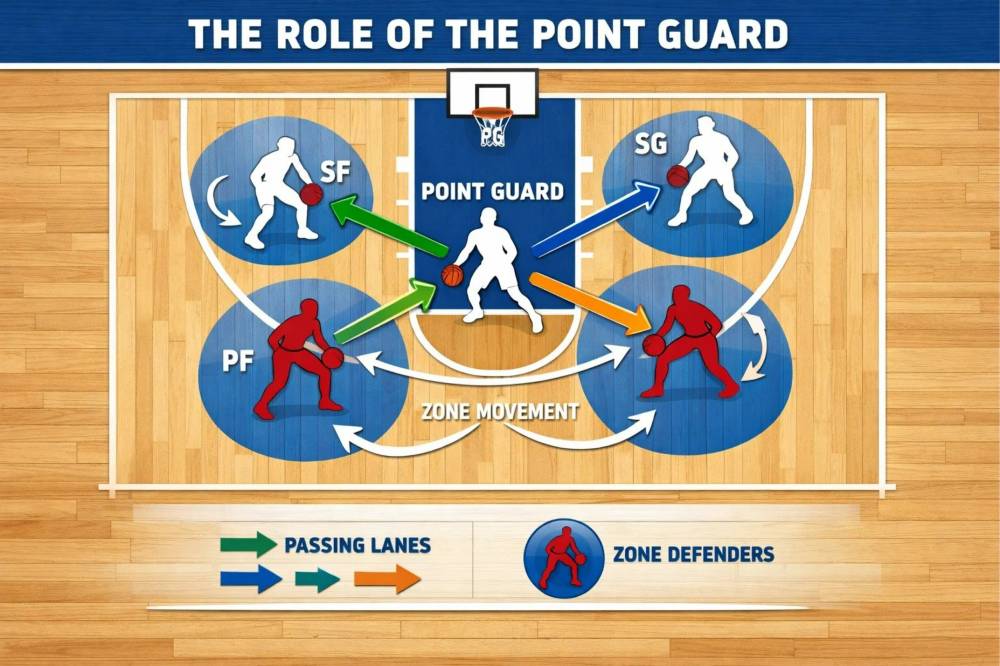
Floor general isn’t just a compliment; it describes responsibility. A point guard is first in charge of orchestrating the team’s offense as to how players on the team get touches in the right places. A shooter may require the sphere near the 3-point line. A power forward might require an entry pass close to the basket. A small forward can cut into open space only if the timing is perfect. The guard, in his charge of ensuring each move is in rhythm.
This even becomes more crucial when their defense is shifted. Against man coverage, the point guard dribbles to create an angle. But the defenders also change the angles in a variety of ways. Zone defense: The player might have to move the ball faster, pressure defenders to move, take the sphere to spread out before space disappears. They’re one step ahead. One useful way to consider it is this:
- Read the setup.
- Initiate the right action.
- Move the defense.
- Pass to the best option.
- Reset if the first idea fails.
That sequence is why the role feels so strategic. So what’s that point guard looking to do? The point guard, she tells us, should know on this occasion what type of defense the defense wants to take away and then attack on the weak side, the open lane or the late rotation.
Ultimate Skill Set Each Point Guard Requires
A variety of skills are a point guard’s lot as their role extends into every aspect of the game. Some players score a high amount of points, many are high level passer types and some play their defense first, but the most complete guard can do a little of everything.
Ball Control & Dribble Security
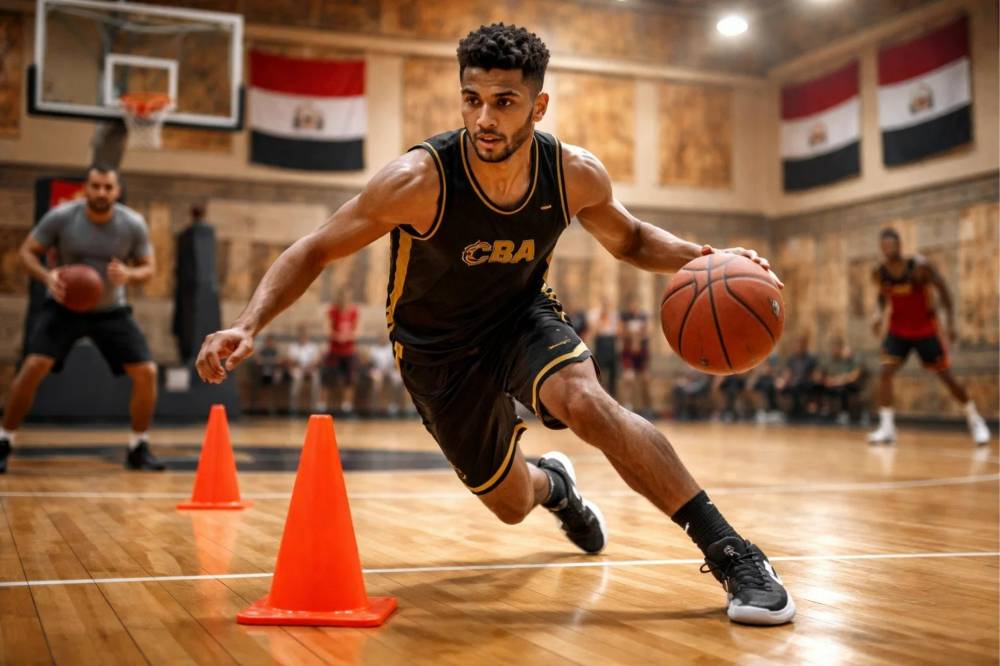
The first thing a playmaker needs to do is handle the sphere. The rest is a mess without it. Point guard dribbles are not all about flashy moves. But they’re about getting from one place to another, keeping your balance and your sense of vision intact. A player keeping his head down while dribbling will miss teammates and defensive switches. Good ball control consists of a change in pace, not only how quickly. Protection for the sphere from quick hands. Staying calm against traps. With possession under contact. A point guard must be able to use the dribble as an instrument rather than as embellishment, that’s how you handle this trick.
Passing Skill And Distribution
The role is defined by dropping off skills. A guard who can’t spread the ball around restricts the entire team’s offense. The point guard is not there to merely move the sphere around, but to distribute with purpose. Timing matters. Angle matters. Speed matters. The best passes come early enough to get a shot in, not late enough to force one.
High Basketball IQ
A point guard needs high basketball IQ, as there’s no escaping the need to read patterns almost all the time from the position. The basketball IQ is a crucial skill for spacing, hunt for matchups and tempo management of the court—the player should have a good sense. Just memorizing the playbook is not enough. The guard must understand why a play works and when to skip it. High basketball IQ generally manifests itself in subtle ways:
- being aware of where everyone is supposed to be.
- understanding clock and score.
- Awareness of the defender’s body angle.
- adapting as the team offense stagnates.
This psychological aspect is what makes the position so draining for even the most talented professional athletes.
The Point Guard’s Responsibilities On Offense
The point guard’s role on offense starts not long before the pass and frequently before he crosses half court. This player reads the setup, commands the action and determines whether the team should run, slow down, attack inside, or spread the floor. That’s why point guards are tasked with both creation and order. Here’s how offensive responsibility frequently appears:
|
Offensive job |
Why it matters |
|
Bring up the ball |
Starts the hold cleanly. |
|
Call the set |
Gives structure to team plays. |
|
Break pressure |
Prevents wasted time and turnovers. |
|
Distribute the ball |
Helps all the team attack in rhythm. |
|
Create a scoring chance |
Allows the team to score before defense is able to recover. |
A point guard also has to know when not to take too much of the sphere going. Perhaps the smartest offensive decision is a simple drop off that sets the sequence of events moving forward. Overdribbling allows the defense to re-initiate and fight back.
Scoring, Passing And Knowing When To Shoot
The position is often seen as limited to dropping off, but modern basketball is a lot more than that from the guard perspective. Defenses now sag off non-shooters, congest the lane and sit on passing lanes. That means the point guard needs to score enough to stay dangerous. The question of balance usually boils down to three:
- Is the pass better than the shot?
- Is the shot early but open?
- Is the defense giving away the lane?
A great point guard asks these questions, and answers them immediately. It’s not about a personal credit. The goal is to provide an optimal outcome for the hold. Sometimes that means taking the shot. Sometimes it’s a drop off to a teammate in a cleaner place.
Point Guard Defensive Responsibility
And defense is just as critical. The playmaker needs to be the person at the point of attack who sets the tone. If the initial defender is easily beat, the entire formation of the team will start to fall apart. A successful stopper makes it difficult for the other team player bringing the sphere up and might interrupt any action before it starts. Among the blocking duties there are:
- pressuring the ball without fouling.
- staying in front of the ball handler.
- contesting the first drop off.
- helping recover after screens.
- communicating rotations.
A stopper is frequently in need of quick hands, active feet and stamina to chase through screens. The best ones are more than just defenders of their own man. They bog down the offense, force a bad angle and eliminate easy passing windows.
The Role of the Point Guard in Co-opting with the Other Positions
No point guard succeeds alone. That role only feels relevant in terms of everyone else. A shooting guard may be the main scorer, but a small forward will attack from the wing. A power forward might set strong screens or finish inside. The guard links them. This connection can be made transparent:
|
Teammate position |
How the point guard helps |
|
Shooting guard |
Provides clean looks and secondary creation opportunities. |
|
Small forward |
Finds cuts, drives and weak-side spacing. |
|
Power forward |
Utilizes screens and inside passing angles. |
|
Center |
Feeds rolls, post entries, and lob chances. |
This is why point guards are often judged by more than points. A player can score 20 and not get control of the game. Another may score 9, maintain hold and completely run the match. The box score doesn’t always reflect the degree to which the playmaker shapes the team rhythm.
Best Point Guards and What Makes Them Special
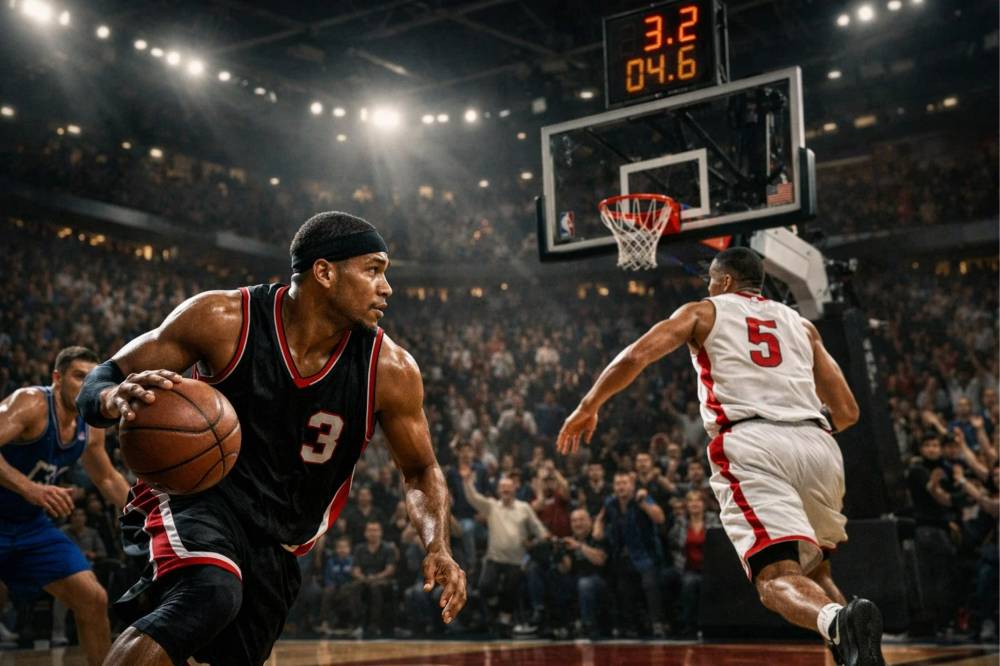
Those who speak about the best point guards usually refer to the players who merge control, creation and winning impact. Some are pass-first. Some are scoring-driven. And, Some are balanced. What helps is how they distort the opposing team defense, and how they make the players inside it better. This is a useful case in point where Steph Curry changed what was expected of the position. His wide shooting range challenges defenders to carry him far from the hoop, and so opens the floor for the team offense.
That does not mean every young player should mimic his exact manner. The modern guard, he goes on, is required to understand how a single offensive strength can remake the floor. A good point guard typically possesses these characteristics:
- command over tempo.
- decision-making under pressure.
- passing skills in tight windows.
- enough scoring menace to command respect.
- stopper effort that will assist the system.
The playmaker label is earned when a player takes over almost every aspect of the game as it unfolds.
What Young Players Should Focus On in Egypt
For players aspiring to develop here in Egypt, the smartest place is also not to chase highlights first. It is to build a reliable foundation. Coaches notice a player who can react under pressure, make the right pass, and protect the sphere. Good development should have:
- Two-ball dribble work for control and coordination.
- Dropping off movement with both hands.
- Film study to improve decision-making.
- Blocking footwork and recovery drills.
- Game-like reads from pick-and-roll situations.
Young guards need to learn how to communicate as well. Part of calling the play, directing spacing, and talking on defense are all part of the job. Silence is a weakness in this position. The point guard understands that leadership is heard before it is recognized.
Common Mistakes You Can Make In The Point Guard Position
There are predictable mistakes that every point guard position has to make in this area, particularly for developing players. The bulk of those errors come when a guard mistakenly conflates activity with control. Common mistakes include:
- dribbling too much without improving the angle.
- forcing drop off through traffic.
- ignoring weak-side help.
- playing too fast when the game needs calm.
- hunting personal points while teammate options are open.
Another mistake is to treat offense and defense as separate worlds.
FAQ
What Does A Point Guard Do In Basketball?
A point guard brings the sphere up the court. They start the play. Create chances for their teammates. Their job also includes keeping the ball safe reading the teams defense and helping their team defend.
Why Is The Point Guard Called The Floor General?
They are called this way because they control the games flow. They organize their teams play. Make sure everyone is, in the right spot.
Does A Point Guard Need To Score A Lot?
No, not always. A point guard needs to score when its needed.. Their main job is to help their team play well together. They do this by dropping off the ball and helping their team move in sync.
What Skills Are Most Important For A Point Guard?
For a point guard being able to dribble well and make good decisions are key. They also need to communicate with their team and play defense.
Also Read: ZendogTech com – India Features, Content & Honest Overview