
Land has always been valuable for what it can produce, whether that means crops, timber, housing, or commercial development. Increasingly, though, landowners are considering another possibility: renewable energy.
As countries look for ways to generate more electricity from low-carbon sources, suitable land could play an important role in the expansion of wind, solar, and other renewable technologies. For some property owners, this may create opportunities to put underused land to work in an entirely new way. Let’s explore how.
Location Matters More Than Size Alone
Owning a large piece of land does not automatically make it suitable for renewable energy development. Location, geography, accessibility, and nearby infrastructure can all influence whether a project is practical.
Take wind energy, for example. Developers may consider average wind speeds, terrain, surrounding buildings, environmental restrictions, and the distance to an appropriate grid connection. In comparison, solar projects have their own requirements, including orientation, shading, land quality, and access. What this means is that a relatively modest site in the right location can sometimes offer more potential than a much larger property with significant constraints.
Wind Energy Could Be an Option
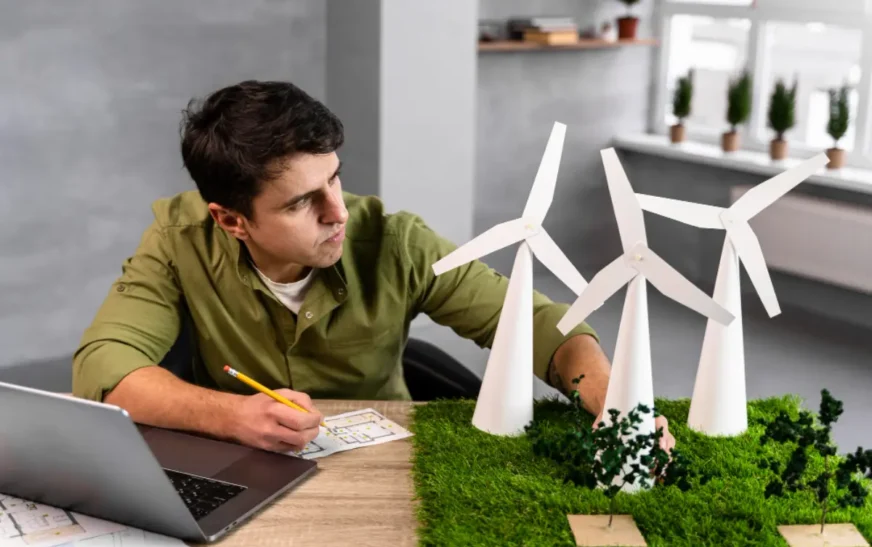
Wind power remains one of the most recognizable forms of renewable energy generation. While large offshore wind farms often dominate the headlines, onshore wind projects can also contribute to local and national energy supplies.
Landowners who believe their property might have potential can seek specialist advice before making major decisions. Working with experienced consultants such as Renewables First can help establish whether factors such as wind resource, planning requirements, grid access, and site constraints make a proposed development viable.
An early feasibility assessment can be particularly valuable because renewable energy projects involve considerably more than simply choosing a location for a turbine.
Think About Grid Connectivity
One of the most important considerations is whether the electricity generated can actually be connected to the power network. A site might appear perfect geographically but become significantly more complicated if suitable grid infrastructure is too far away or does not have enough capacity. Grid connection costs can therefore have a major impact on whether a renewable project makes financial sense.
This is one reason professional assessment should generally happen before a landowner becomes too committed to a particular idea.
Consider Planning and Environmental Factors
Renewable energy projects must also fit within planning and environmental regulations. Potential developments may need to consider landscape impact, wildlife, noise, neighboring properties, heritage sites, aviation requirements, and local planning policies. Some locations may have restrictions that significantly limit development, while others could be better suited to renewable infrastructure. Identifying these issues early can save considerable time and expense later.
Renewable Energy Can Diversify Land Use
For farms and rural estates in particular, renewable energy can provide another way of diversifying how land generates value. Depending on the project structure, landowners might develop renewable infrastructure themselves, work with specialist developers, or lease suitable areas of land. Renewable developments may also sometimes coexist with existing agricultural activity, allowing land to continue serving more than one purpose. Every project is different, however, so financial, legal, tax, and practical considerations should all be reviewed carefully.
Could Your Land Have Energy Potential?
The transition toward renewable energy is changing how people think about land. A field, hillside, or rural property that once had only one obvious purpose could potentially become part of a wider energy network.
Not every site will be suitable, and renewable projects can involve lengthy planning and development processes. But for landowners with the right location and conditions, investigating renewable energy potential could reveal opportunities that were previously easy to overlook.
The next stage of the energy revolution will require more than new technology. It will also require the right places to put it.
Also Read: Why Your Website Images Are Slowing Down Your Pages and How to Fix It