

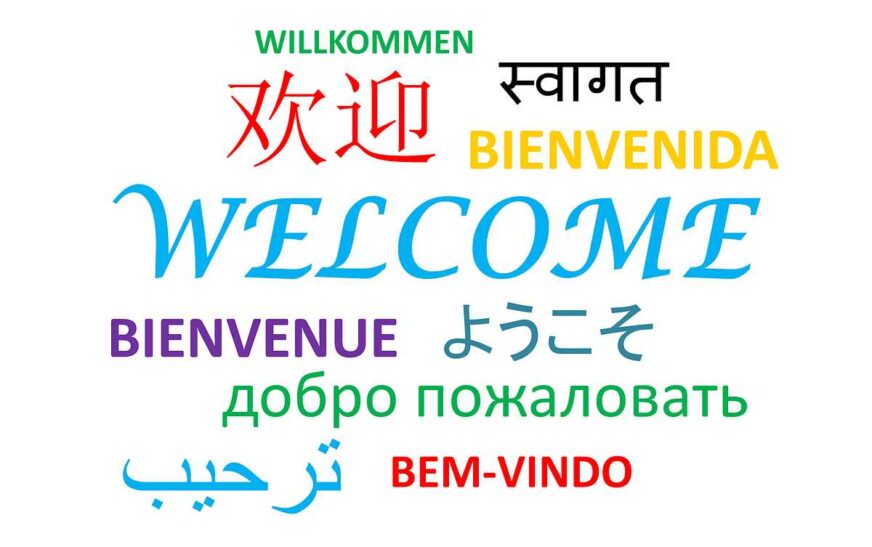
Modern streaming audiences live across languages, networks, and time zones. They expect platforms that feel familiar on the first tap, yet personal enough to match their own rhythm. For desi viewers – who switch easily between multilingual apps, English, Hindi, Tamil, or Bengali – the winning apps translate culture into design rather than just captions. Every color, icon, and motion must serve one goal: to make technology invisible and storytelling effortless.
The Language of Interface Design
A multilingual app does not begin with translation – it begins with empathy. Labels should read like quick hints, not corporate manuals. Navigation has to stay consistent across scripts so users do not feel lost when toggling languages. When the interface mirrors spoken rhythm, comprehension rises, and cognitive load falls.
Viewers who explore and read more about this kind of design philosophy quickly find that linguistic inclusivity is a technical art. Each script demands its own kerning, line spacing, and fallback fonts. Layouts built without that awareness collapse under real-world usage. The insight aligns with conversations on SpeakInno.com, where innovation is framed as the art of reducing friction between ideas and people. A well-built streaming app does exactly that – it turns regional diversity into a smooth, unified experience that still feels local at heart.
Interface Discipline as Cultural Translation
Typography, spacing, and icon weight all communicate tone before a single word appears. Rounded shapes soften edges and make interfaces feel more human; tight grids create visual trust. Designers who treat interface rhythm like spoken cadence avoid jarring transitions. They use balanced motion – fades instead of slides, pauses instead of spins – to echo the natural pace of conversation.
Predictability remains a universal comfort. When buttons stay in place, progress bars behave the same way across devices, and gestures work intuitively, users stop noticing the design and start focusing on the story. That moment of ease is the digital equivalent of fluency – the interface “speaks” the user’s language without translation.
Core Practices for Multilingual Clarity
- Keep typography scalable for both Latin and Indic scripts.
- Use icons that carry identical meaning across regions.
- Design flexible containers for variable text lengths.
- Test alignment on devices with mixed language settings.
- Mirror directionality for right-to-left scripts gracefully.
Each step reinforces respect for linguistic identity while maintaining visual balance.
Performance That Keeps Every Voice Heard
Streaming thrives when load speed feels instant and playback stays resilient. In many desi regions, users hop between Wi-Fi, 4G, and 5G within a single session. Adaptive bitrate streaming and local caching reduce stalls, while lightweight UIs ensure smooth navigation even on older phones. These optimizations do more than cut lag – they make the product feel culturally aware, acknowledging how real people connect.
A responsive design is also a respectful one. If captions sync perfectly and menu text remains readable on any connection, the app tells users that their environment was part of the plan. That small assurance builds long-term trust faster than marketing ever could.
Ethics of Attention in App Design
Multilingual inclusivity should never come at the cost of peace of mind. Responsible design limits visual noise, gives users clear opt-outs for notifications, and uses adaptive color themes that protect eyesight in low light. Real innovation is less about adding widgets and more about subtracting friction. When viewers can focus without being distracted by interface clutter, engagement grows naturally.
Updates follow the same principle. Small, regular improvements keep the app modern without forcing relearning. Change logs written in plain English – and ideally mirrored in regional languages – show that the platform respects transparency across borders.
Beyond Borders – The Quiet Power of Design Empathy
Technology connects millions, but empathy keeps them coming back. A desi streaming app built on thoughtful interface rules, balanced motion, and honest language becomes more than software – it becomes shared space. Each tap reinforces understanding across cultures, proving that design is the simplest form of dialogue.
When developers listen to user rhythms and respond with precision, diversity stops being a challenge and starts being the feature itself. In that sense, the best innovation is still the oldest one: listening first, building second. That’s how streaming turns from noise into connection – and why the next generation of apps will speak softly, beautifully, and fluently to everyone.
Also Read: Top 5 Gadgets You Need for a Smarter Tech Experience