

The Rise of Digital Applications
Applications have become central to our daily lives and business operations. From online banking to healthcare systems, applications drive essential services and store sensitive information. As organizations rely more on software, the risks associated with weak application security have grown significantly.
The sheer volume of applications today is staggering. Businesses utilise a range of tools, from customer relationship management systems to cloud-based collaboration platforms. These systems often integrate with each other, making them even more attractive targets for cybercriminals. The convenience and efficiency offered by digital applications come with increased responsibility to protect valuable data.
Understanding Application Security
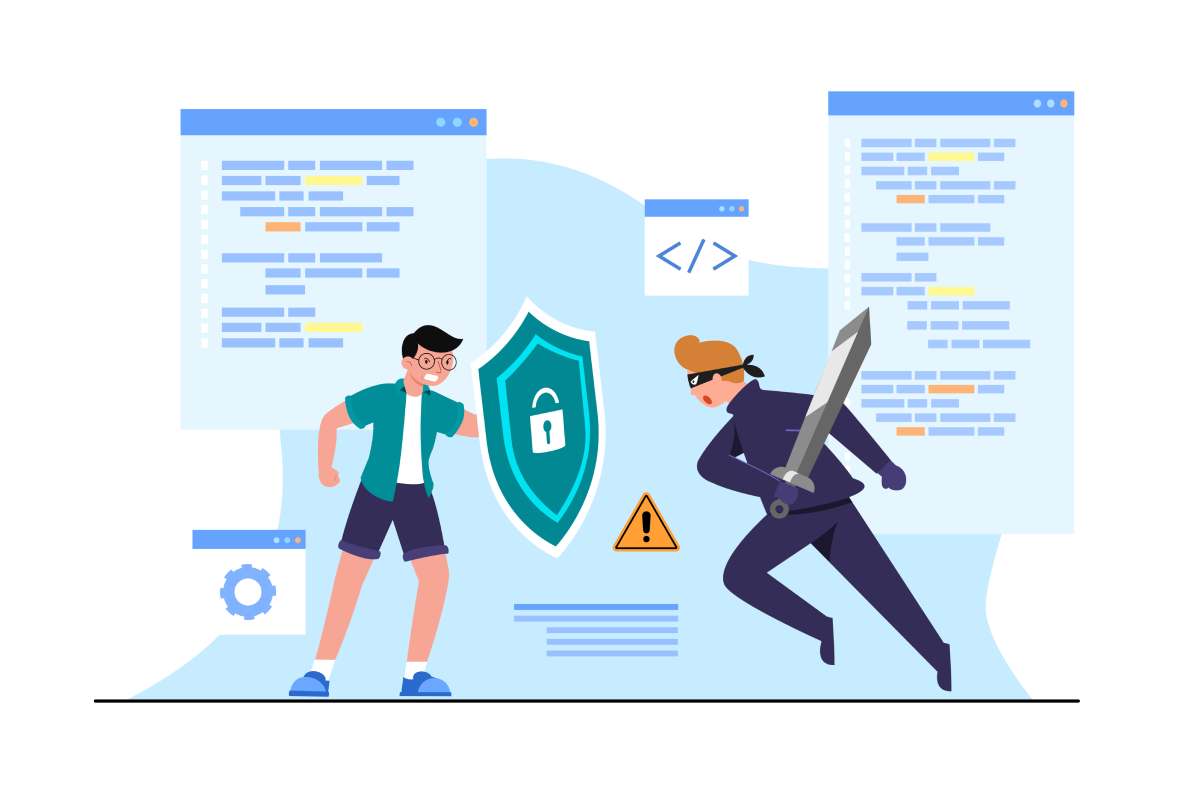
Application security involves measures and processes designed to protect software from threats and unauthorized access. For a detailed overview, what is application security definition and why is it important? With attacks becoming more sophisticated, organizations must ensure their applications are secure from the design phase to deployment and beyond.
Application security is not just about adding a firewall or antivirus. It’s a holistic approach that covers everything from secure coding practices to ongoing maintenance. Security must be woven into every stage of development. According to the Open Web Application Security Project (OWASP), integrating security early in the software development lifecycle reduces vulnerabilities and keeps data safer. Read more about secure software development.
Common Threats Facing Modern Applications
Cyber threats are constantly evolving. Attackers target applications using methods such as injection attacks, cross-site scripting, and credential theft. According to the Cybersecurity & Infrastructure Security Agency, these attacks can result in data breaches, financial losses, and damage to reputation. Learn more about these threats.
Other common threats include session hijacking, man-in-the-middle attacks, and distributed denial-of-service (DDoS) attacks. Application vulnerabilities can also be exploited through outdated libraries or third-party plugins. The increased use of open-source code in many applications means that organizations must regularly audit their software for known weaknesses. A single overlooked vulnerability can give attackers access to sensitive data or allow them to disrupt critical services.
Why Application Protection Is Essential
Failure to protecting applications can result in severe consequences. Financial losses and legal penalties are just some of the risks. Personal data, intellectual property, and business operations can be compromised. The importance of application protection is highlighted by the increasing number of regulations and standards that require organizations to safeguard digital assets.
Regulations such as the General Data Protection Regulation (GDPR) and the Health Insurance Portability and Accountability Act (HIPAA) impose stringent requirements for protecting data. Non-compliance can result in substantial fines and a loss of customer trust. The damage from a single breach can take years to recover from, both financially and reputationally. Organizations must view application protection as an ongoing investment rather than a one-time expense.
Best Practices for Securing Applications
To reduce risks, organizations should adopt best practices such as secure coding, regular software updates, and thorough testing. Employing multi-factor authentication and encryption further strengthens security. The National Institute of Standards and Technology provides guidelines on best practices for application security.
Another important practice is performing regular vulnerability assessments and penetration tests. These tests help identify weaknesses before attackers can exploit them. Secure configuration management ensures that applications and their environments are set up in the safest way possible. Additionally, using automated tools to scan for security flaws during development can catch issues early, saving time and resources.
The Role of Employee Awareness
Employees play a key role in application security. Regular training helps staff identify and avoid common threats, such as phishing and weak passwords. According to the Federal Trade Commission, ongoing education is vital for maintaining a secure environment.
Employees are often the first line of defense against cyber threats. Social engineering attacks, where criminals trick people into revealing sensitive information, are common. Training should cover how to recognize suspicious emails, safe internet browsing habits, and the importance of keeping software up to date. A well-informed workforce can prevent many security incidents before they occur.
Continuous Monitoring and Incident Response
Protecting applications is not a one-time task; it requires ongoing maintenance. Continuous monitoring helps detect unusual activity and new vulnerabilities. Having a response plan ensures that organizations can act quickly if an incident occurs, reducing the impact and restoring operations efficiently.
Advanced security tools can automatically alert IT teams to suspicious behavior. These tools analyze network traffic, application logs, and user activity for signs of compromise. When an incident is detected, a well-practiced response plan is crucial. This plan should include steps for containing the breach, investigating its cause, and notifying any affected parties. Regularly reviewing and updating the response plan ensures that it remains effective as threats evolve.
The Impact of Third-Party Components
Many applications rely on third-party libraries, frameworks, and services to speed up development and add features. However, these components can introduce risks if not properly vetted and updated. Attackers often target known vulnerabilities in widely used third-party code, which can then be exploited across many applications at once.
Organizations should keep an inventory of all third-party components used in their applications. Regularly checking for updates and security patches is essential. The use of software composition analysis tools can help identify outdated or vulnerable components. By managing third-party risks, organizations can close off another common avenue for attackers.
Securing Applications in the Cloud
Cloud computing has changed the way applications are built and deployed. While the cloud offers flexibility and scalability, it also introduces new security challenges. Shared responsibility models mean that both the cloud provider and the customer must take steps to secure applications and data.
Ensuring proper configuration of cloud services is critical. Misconfigured storage or weak access controls can expose sensitive information to the public. Encryption should be used for data both at rest and in transit. Organizations should also monitor cloud environments for unusual activity and use identity and access management tools to control who can access applications and data. Learn more about cloud application security challenges.
The Future of Application Security
As technology develops, application security must adapt. New threats will emerge, and attackers will find new ways to exploit weaknesses. Ongoing investment in security tools, processes, and education is necessary to keep pace with the changing landscape.
Emerging technologies like artificial intelligence and the Internet of Things (IoT) bring new security considerations. Applications will need to defend against automated attacks and protect vast networks of connected devices. Staying informed about the latest threats and solutions is key for organizations that want to remain secure. Collaboration between industry, academia, and government will help drive the development of stronger security standards and practices.
Conclusion
Protecting applications is no longer optional. It is a crucial part of running a secure and trusted business in today’s connected world. By understanding risks and applying best practices, organizations can safeguard their applications and the valuable data they handle.
FAQ
What is application security?
Application security refers to the measures taken to protect software applications from threats, vulnerabilities, and unauthorized access.
Why are applications targeted by attackers?
Applications often store sensitive data and provide entry points to networks, making them attractive targets for cybercriminals.
How can I make my applications more secure?
Follow best practices such as secure coding, regular updates, employee training, and use of security tools like encryption and authentication.
What are some common application security threats?
Common threats include injection attacks, cross-site scripting, credential theft, and denial-of-service attacks.
Is application security a one-time effort?
No, application security is an ongoing process that requires continuous monitoring, regular updates, and employee awareness.
Also Read: Building Intuitive Streaming Apps for a Multilingual World